In the realm of industrial applications, selecting the right motor technology is paramount. While electric and brushless DC motors have become ubiquitous in modern machinery, air motors offer distinct advantages in specific environments. This guide delves into the key differences, benefits, and considerations when choosing between air motors and their electric counterparts.
Motor Technologies Overview
Air Motors
Air motors operate using compressed air to generate mechanical power. Their design allows them to function in various orientations and environments, making them suitable for applications where electric motors might pose risks.
Advantages:
-
Safety: Air motors are intrinsically safe, eliminating the risk of sparks or overheating, which is crucial in explosive or hazardous environments.
-
Durability: They can operate continuously without the need for cooling systems, as the air supply inherently cools the motor.
-
Flexibility: Capable of running in any position, offering versatility in installation.
Limitations:
-
Efficiency: Generally less energy-efficient compared to electric motors.
-
Power Source: Dependence on a continuous compressed air supply can be limiting.
-
Control: Limited precision in speed and torque control.
Electric Motors
Electric motors convert electrical energy into mechanical energy and are prevalent in various industries due to their efficiency and control capabilities.
Advantages:
-
Efficiency: High energy conversion efficiency, leading to lower operational costs.
-
Control: Precise speed and torque control, especially with modern variable frequency drives.
-
Integration: Easily integrates with digital systems for automation and monitoring.
Limitations:
-
Heat Generation: Can overheat under heavy loads without adequate cooling.
-
Safety: Potential risk of sparks in explosive environments unless specially designed.
-
Maintenance: Requires regular maintenance to ensure optimal performance.
Brushless DC (BLDC) Motors
A subset of electric motors, BLDC motors eliminate brushes, reducing maintenance needs and enhancing performance.
Advantages:
-
Maintenance-Free: No brushes to wear out, leading to longer lifespan.
-
Efficiency: Higher efficiency and power density compared to brushed motors.
-
Control: Offers precise control over speed and torque.
Limitations:
-
Complexity: Requires electronic controllers for operation.
-
Cost: Generally higher initial cost due to advanced components.
Key Comparison Metrics
| Feature | Air Motors | Electric Motors | BLDC Motors |
|---|---|---|---|
| Safety | High (no sparks, no overheating) | Moderate (depends on design) | High (no brushes) |
| Efficiency | Moderate | High | Very High |
| Control Precision | Low | High | Very High |
| Maintenance | Low (minimal wear) | Moderate (depends on type) | Very Low (no brushes) |
| Cost | Low | Moderate | High |
| Power Source | Compressed air | Electricity | Electricity |
| Installation Flexibility | High (can operate in any position) | Moderate (depends on cooling needs) | Moderate (requires controllers) |
Application Suitability
-
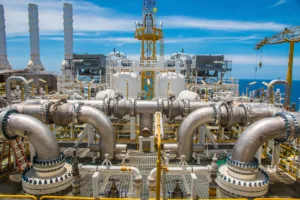
Air Motors: Ideal for environments where safety is paramount, such as in explosive atmospheres or where electrical equipment might pose a risk. Commonly used in mining, chemical plants, and offshore platforms.
-
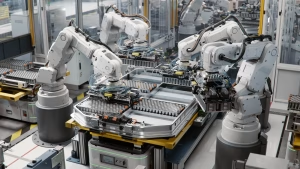
Electric Motors: Suitable for a wide range of applications requiring high efficiency and precise control, including manufacturing, HVAC systems, and robotics.
-
BLDC Motors: Best for applications demanding high efficiency, low maintenance, and precise control, such as in electric vehicles, drones, and precision instruments.
Making the Right Choice
When selecting a motor technology, consider the following factors:
-
Environment: Is the application in a hazardous or explosive atmosphere?
-
Power Requirements: What are the energy efficiency and power demands?
-
Control Needs: Is precise speed and torque control necessary?
-
Maintenance Capabilities: What level of maintenance is acceptable?
-
Budget: What is the available budget for initial investment and operational costs?
Further Reading
For more in-depth information, explore the following articles: